
A Viral Post is Not a Brand Strategy
To paraphrase Hemingway, brands become irrelevant in two ways: gradually, then all at once. Brand declines don’t generally arrive with a crisis. There’s no disastrous earnings call or public scandal. The emotional connection simply starts to fade. The brand remains recognizable, but recognition stops translating into relevance.
That’s increasingly the challenge for companies operating in a culture that moves faster than organizational decision-making. Consumer behavior isn’t just evolving because trends change. People are living differently, communicating differently, coping differently, and building identity differently.
Yet many brands still treat awareness as proof of relevance. It isn’t. A brand can maintain market share while quietly becoming a heritage artifact: familiar, respected, but disconnected from contemporary life. The warning signs usually arrive long before the results show up in a quarterly report.
Here are five signals that it’s time for a relevance pulse check
1. You’re Mistaking Visibility for Emotional Resonance
Modern branding tends to overvalue what can be measured: impressions, reach, recall. Visibility fits neatly into dashboards. Emotional connection doesn’t.
Consumers increasingly make emotional decisions first and rational decisions second, particularly in crowded categories where functionality alone isn’t enough. They gravitate toward brands that feel aware of the conditions they’re living in, from burnout and overstimulation to financial anxiety and digital exhaustion.
One brand getting this right is Crayola. They could have remained frozen in nostalgia, permanently associated with childhood and school supplies. Instead, the company recognized that creativity had taken on a different emotional role for adults. It became connected to mindfulness, stress relief, and emotional decompression.
Today, ADWEEK notes, 57% of Crayola purchases come from households without children. The company didn’t abandon its identity. It reinterpreted it around evolving consumer needs. The strongest legacy brands don’t reinvent themselves.
They stay relevant by understanding what people need from them now.
2. You’re Chasing the Sugar High of Virality
There is nothing wrong with wanting attention. Viral moments can introduce a brand to entirely new audiences and create real momentum. The problem is when visibility becomes the strategy. The important question isn’t whether a post performs. It’s what happens afterward. Does the attention reinforce what the brand stands for? Does it attract the right audience? Does it deepen understanding or simply create a temporary spike?
Internet attention isn’t inherently loyal. Algorithms reward novelty and escalation, often pulling brands away from their center of gravity. That’s why so many trend-driven campaigns feel interchangeable. Brands end up chasing the same cultural moments in the same ways, flattening their own distinctiveness in the process.
Virality can introduce people to a brand. It can’t replace having a point of view once they arrive.
3. You’re Expecting a New Logo to Solve an Old Problem
When a brand starts losing momentum, the instinct is often to refresh the visual identity. New typography. New colors. New design system. But aesthetics aren't a strategy. A visual refresh can help signal change. It cannot create relevance on its own.
Bumble’s recent rebrand serves as a cautionary example. For years, the company built its identity around a clear idea: women make the first move. As consumer frustration with dating apps increased, Bumble responded with an advertising campaign that felt disconnected from how many women actually felt about modern dating.
The backlash was swift. The ads were pulled and the company apologized. The issue wasn’t the design. It was a failure to understand why consumers were disengaging in the first place.
Before exploring logos and color palettes, make sure you understand the problem you’re trying to solve.
4. Your Consumers Understand the Brand Better Than You Do
The most accurate version of a brand rarely lives in a positioning deck. It lives in comment sections, reviews, Reddit threads, TikTok reactions, and customer behavior. That’s where people reveal how they actually use a product, what role it plays in their lives, and what associations they’re building around it in real time.
Letterboxd is a strong example. What began as a movie review platform evolved into something much larger through user behavior. People weren’t simply rating films. They were signaling identity, finding community, and turning media consumption into social currency.
The company paid attention. As a result, Letterboxd expanded far beyond its original use case and grew from roughly 1.8 million users before the pandemic to more than 17 million today. You don’t always need a focus group to understand shifting perception.
Sometimes the answers are already sitting in the comments section.
5. You’re Mistaking Style for Substance
Consumers are overwhelmed. Every brand is competing against distraction, information overload, and shrinking attention spans. In that environment, aspiration alone isn’t enough. People increasingly expect utility. Aesthetic polish can attract attention, but substance is what sustains relevance after the novelty wears off.
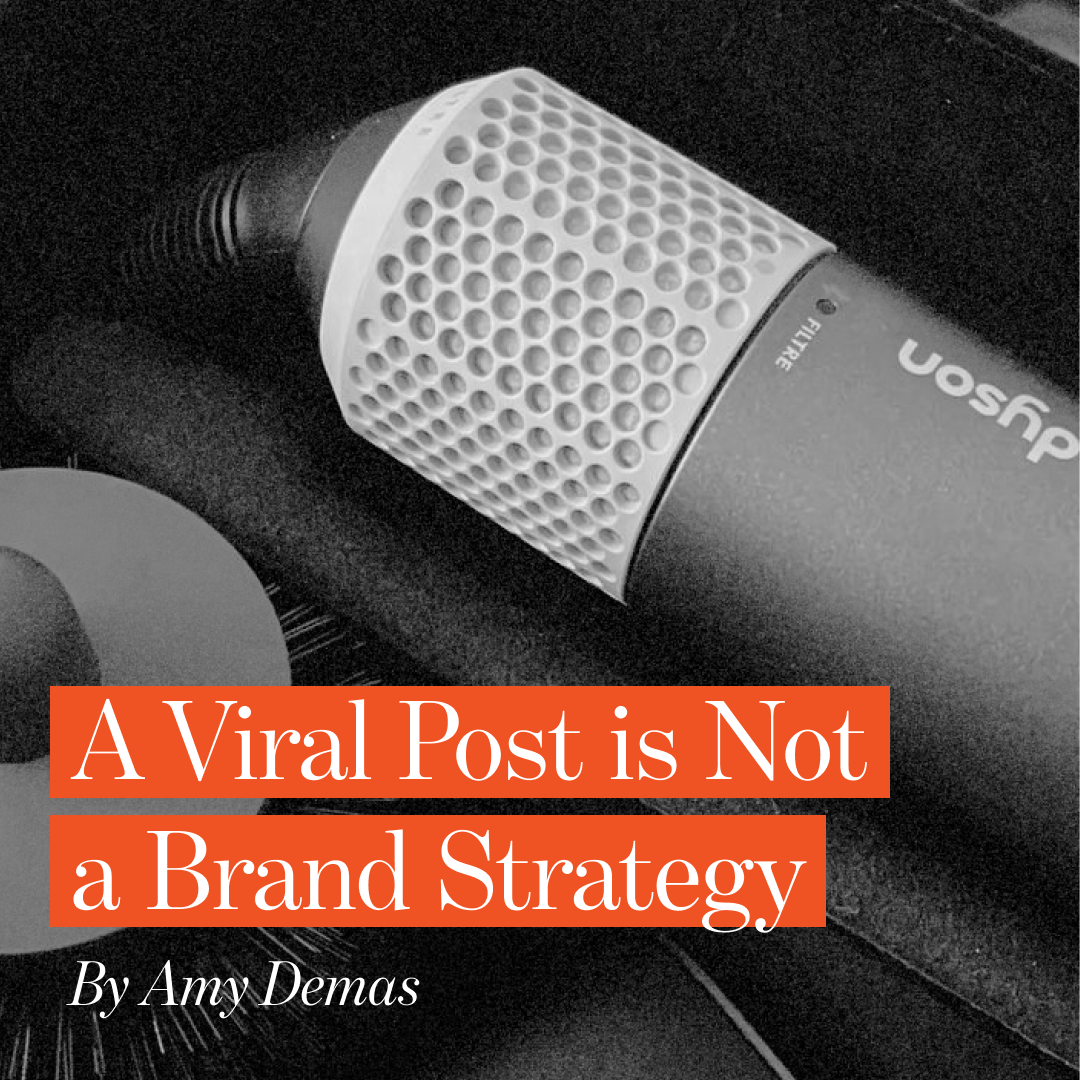
Look at products like Stanley, Ninja Creami, or Dyson Airwrap. Their popularity isn’t driven solely by branding. They’re tied to practical value. They solve problems, simplify routines, or fit naturally into how people live.
The brands maintaining cultural relevance today balance emotional aspiration with functional usefulness. They understand that consumers want more than a beautiful story. They want proof that a brand belongs in their lives.
Ultimately, relevance isn’t about looking current. It’s about remaining useful, meaningful, and emotionally connected as culture changes around you.
Wondering where your brand stands? Contact us for a pulse check.