
Experience Is the New Brand Equity
Step into Anthropologie. Unbox a Victoria Beckham lipstick. Navigate Apple.com. Each experience feels unmistakably like the brand before you consciously register why. That’s not an accident. That’s experiential design.
Design no longer stops at a logo, typography, and a color palette. Today, it encompasses every interaction someone has with a company, from product discovery on Instagram to website navigation; from a shipping notification to the unboxing experience; from in-store displays to pop-up events.
On our team, Creative Director Dara Weinberg thinks deeply about how those individual moments add up to a bigger brand story. “When done right, experiential design reinforces the truth of the brand that the consumer can emotionally connect to, which deepens their relationship with the brand,” Dara explains.
She shared some of her insights on why experiential design has become so critical to brand success, with three core principles guiding how brands can turn individual moments into something more meaningful:
1. Experiential design is a business strategy, not a design discipline.
“Great brands with a clear identity have a visual system that’s consistent and cohesive everywhere,” Dara says. Consumers aren’t experiencing your brand in one channel. Every interaction, whether it’s a social campaign, a retail environment, or a launch event, should feel like part of the same narrative.
That consistency does more than increase brand awareness. It makes it easier for consumers to understand what the brand stands for, building familiarity and trust with every interaction. Over time, those interactions accumulate into brand equity.
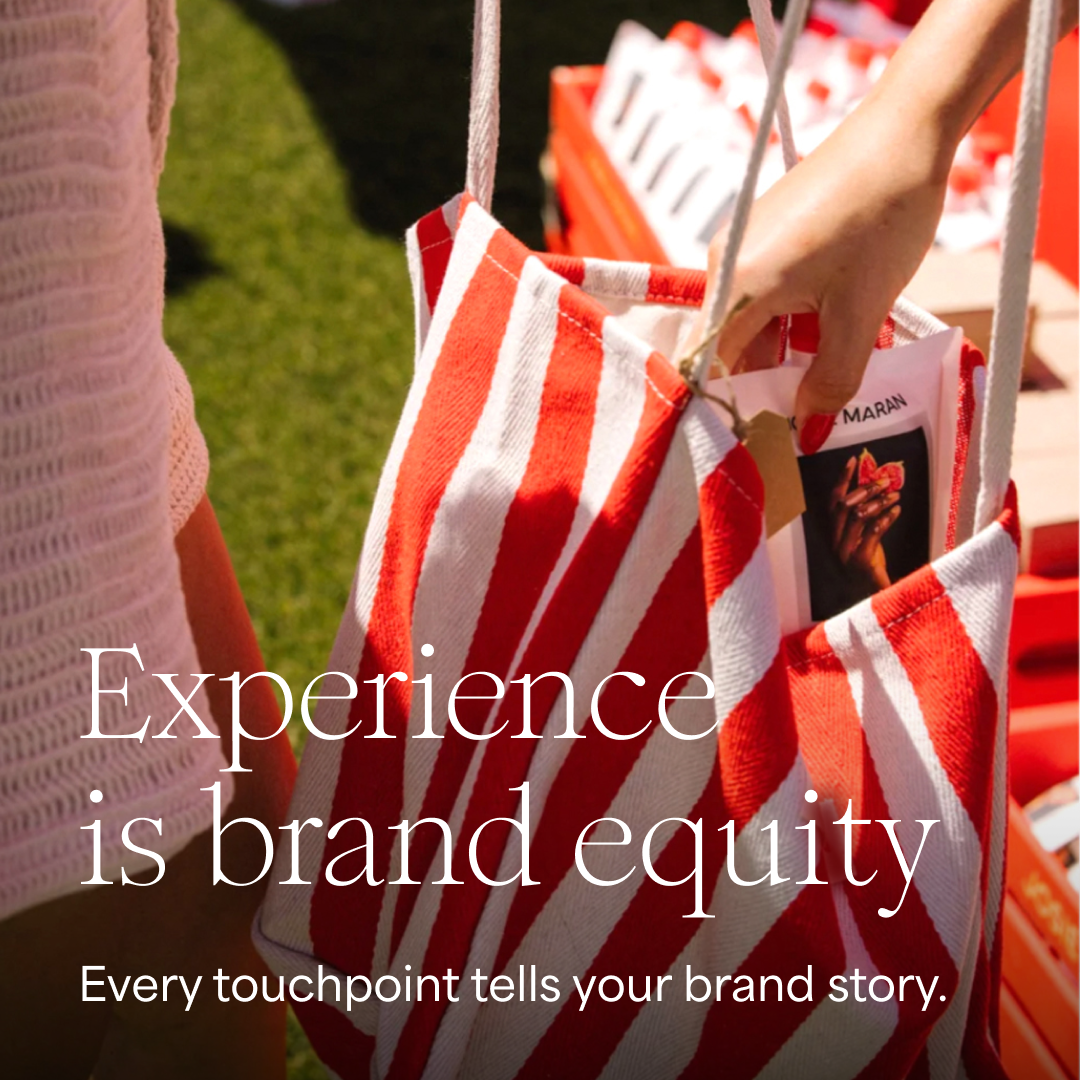
Dara’s take: Experiential design is about emotion, not just aesthetics. Ask, “What do we want someone to feel when they enter the space, see the campaign, or pick up the box? And what design choices will create that feeling?” The most memorable experiences are designed around emotion. Consumers will remember how your brand made them feel long after the event is over. Case in point: her work designing the Malibu relaunch event for beauty brand Josie Maran, which brought its recent rebrand to life through an immersive experience for customers, editors, and influencers.

2. The best experiences build relationships, not just transactions.
Great experiential design removes friction, creates memorable moments, and builds bonds. That’s how brands earn trust, foster community, and create emotional loyalty that lasts long after a purchase.
Dara’s observed that more customers are seeking real-life experiences, wanting to immerse themselves in environments they can’t find on a screen and interact with people who share their passions.
As traditional third spaces become harder to find, brand experiences have an opportunity to offer what people increasingly crave: an environment rooted in shared interests and local community. For brands, that can mean aligning an experience with a cause or purpose that reflects their core values. Experiences should go beyond photo ops and give people a reason to participate, whether that means supporting a local initiative, celebrating the neighborhood, or giving customers, not just influencers, a meaningful role in the brand’s activation.
Patagonia has a long history of this. Its Worn Wear repair events bring customers together to learn how to care for and extend the life of the gear they already own. The relationship extends beyond the transaction, creating opportunities for people to interact with the products, and with each other, in ways that reinforce the brand promise.
3. In the age of AI, experiential design is your proof of authenticity (and your point of competitive advantage).
Looking at an event on your phone, you may not always know what was rendered, generated, or real. As more content begins to look and sound the same, the brands that stand out will create a distinct, connected point of view across every touchpoint. And real-world experiences carry a different kind of authority.
Dara considers each channel to have a distinct role within the larger story. Digital can create discovery and anticipation before an experience, then extend the narrative through social content, follow-up, and community. Product and packaging make the brand tangible. Environmental design creates context and emotion through sound, lighting, wayfinding, and in-person interaction. Each piece serves a unique purpose, but together they should feel unmistakably cohesive.
That is where human judgment becomes the advantage. When anyone can create more content faster, content itself becomes less differentiating. The advantage shifts to brands that know how to turn all those individual outputs into something coherent and meaningful: an experience people can enter, touch, share, remember, and connect over.
Experiential design is where brand strategy becomes human experience. And in an AI-saturated world, that human connection may become one of the most valuable forms of brand equity we have.
See how AD&Co. helps brands create connected experiences that strengthen every consumer touchpoint, from digital to physical.